 Skip to content
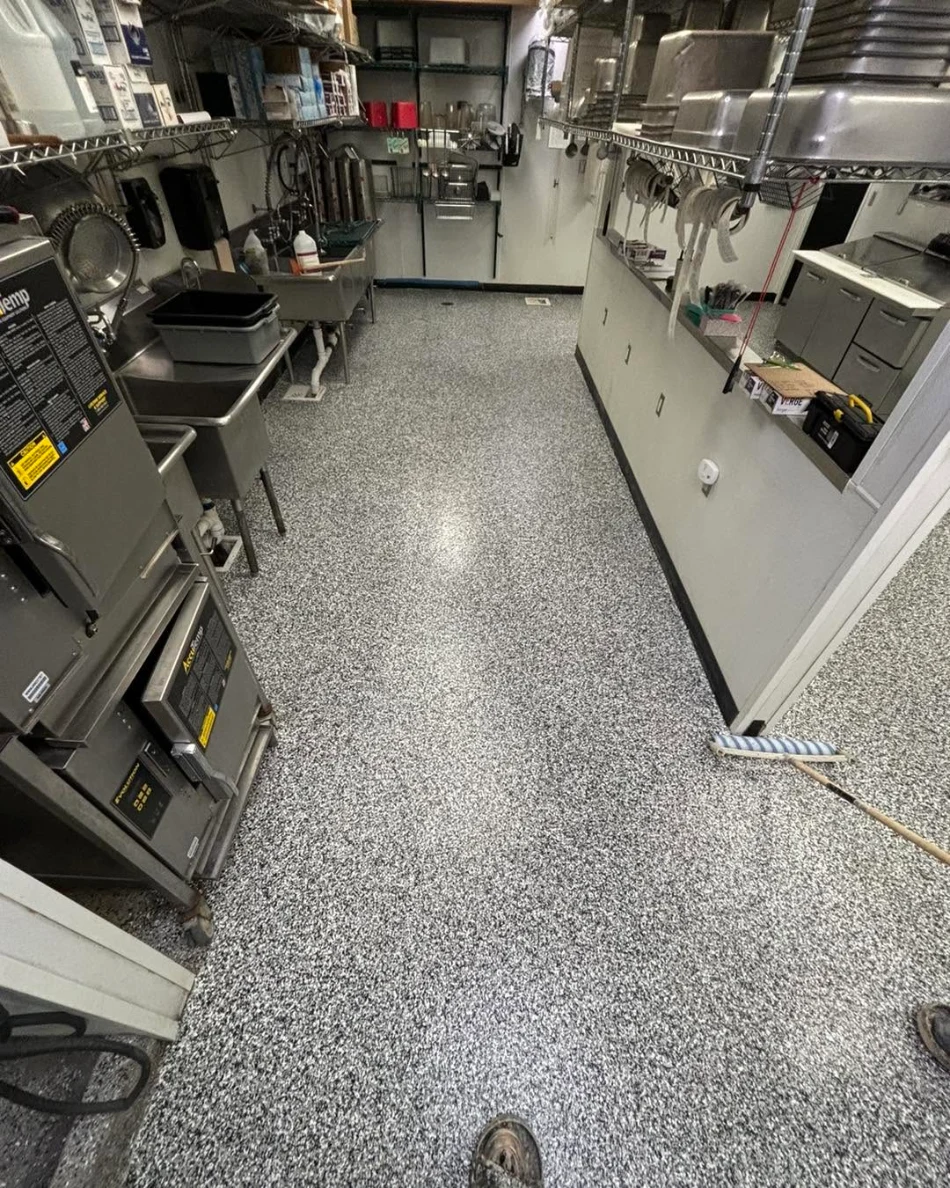
Top-Rated Kitchen Floor Coatings in Wilmington, NC
Commercial kitchen floors need traction without becoming difficult to clean. Blazer Coatings NC plans Wilmington kitchen coatings around grease, heat, washdowns, drains, and staff traffic so the system performs during daily service, not just at installation.


Kitchen Exposure Determines the System in Wilmington, NC
Commercial kitchens place several demands on the same concrete. Water, oils, food residue, hot liquids, and cleaning chemicals may contact the floor during one shift. Temperature deserves special attention.
Sudden contact with hot liquids can affect certain flooring materials. Heat beneath the equipment may also create different conditions across the room. Frequent washing introduces another concern.
The floor must direct water toward functional drains instead of trapping it inside low areas. Blazer Coatings NC maps these exposures before selecting thickness, texture, or resin type. Product names come after the kitchen’s operating conditions.
Urethane Cement for Commercial Kitchens
Urethane cement combines resin technology with cementitious materials. It is commonly considered for commercial kitchens facing thermal changes, washdowns, and demanding cleaning. This system can provide a substantial floor over eligible concrete. Different thicknesses and textures suit different levels of exposure. Blazer Coatings NC assesses equipment zones, drains, and cleaning procedures before recommending urethane cement.
Quartz Kitchen Floor Coatings
Quartz flooring uses colored aggregate inside a layered resinous system. The aggregate creates texture and gives the surface a more substantial profile. Quartz layers can also create a decorative finish while serving operational needs. Appearance remains secondary to cleaning and traction. Blazer Coatings NC selects the broadcast rate, grout coat, and topcoat for the kitchen’s use. Each layer must support the complete commercial kitchen floor coating.
Kitchen Floor Epoxy
Kitchen floor epoxy can suit selected areas when the product and complete system match the exposure. Standard thin-film epoxy paint does not equal a professional resinous floor. A kitchen system may require primer and a compatible topcoat. Heat and thermal cycling can limit some epoxy products.
Epoxy may remain suitable in dry storage, light prep, or lower-exposure areas. The exact use depends on traffic, spills, cleaning, and temperature. Blazer Coatings NC explains where epoxy fits and where a system offers a more appropriate answer.

Texture, Cleaning, and Drainage
Kitchen texture has to match how the space gets cleaned after a full service. A floor maintained with a pressure washdown is handled differently than one mopped with a long-handled tool at the end of the night. Blazer reviews the existing cleaning process before finalizing any texture recommendation.
Drainage needs attention before coating begins A coating follows the slab beneath it and cannot correct poor slope or blocked drains unless slope correction is part of the approved scope. Standing water, low spots, and drain edge transitions all get reviewed during the site visit. Larger drainage or plumbing corrections may require another trade before flooring installation can start.
Cove Bases and Equipment Access
The joint between the kitchen floor and wall collects grease and wash water with every service. A cove base curves the flooring system up the wall to eliminate that sharp corner. Fixed kitchen equipment restricts access to the concrete in ways that have to be mapped before preparation begins.
Coating only the visible concrete around fixed equipment leaves gaps that become a problem the moment anything shifts or gets replaced. Blazer Coatings NC discusses equipment removal and access before the scope gets finalized, so flooring boundaries never get decided on the fly during the closure window.

Substrate Preparation and Closure Planning
Blazer Coatings NC uses diamond grinding to remove weak surface material and open the concrete profile, but deep contamination may need additional treatment before any coating system gets approved.
Closure planning for a commercial kitchen involves more stages than most managers initially account for. Equipment removal and equipment return all follow a specific sequence, and the coating reaching foot traffic tolerance does not mean it is ready for heavy units, hot washdowns, or full service. Blazer Coatings NC provides project-specific return-to-service guidance before the closure begins.
Why Kitchens Choose Blazer Coatings NC
Cleaning Defines the Texture
Grease removal, washdowns, drain access, and available tools guide the surface profile.
Heat Zones Receive Separate Review
Cooking lines and hot-liquid areas influence resin type and system thickness.
Drains Enter the Flooring Scope
Blazer Coatings NC assesses slope, drain edges, coves, and room transitions before installation.
Closure Terms Stay Defined
Kitchen estimates from Blazer Coatings NC define preparation requirements, system selection, and return-to-service expectations before the closure begins.
Frequently Asked Questions
Is urethane cement better than epoxy for every kitchen?
No. Urethane cement suits many demanding kitchens, but the correct system depends on heat, washdowns, chemicals, traffic, and budget. Lower-exposure areas may not require the same specification as active cooking lines.
Can coating correct water that flows away from drains?
Not by itself. Drainage correction may require slope rebuilding or work by another trade. Self-leveling material creates flatness and should not be assumed to form the correct pitch. Blazer Coatings NC assesses the condition first.
How rough should a commercial kitchen coating feel?
Texture should reflect grease, water, footwear, and cleaning equipment. An aggressive finish may support traction but hold more residue. Blazer Coatings NC balances those concerns with the kitchen’s actual cleaning process.
Can kitchen equipment stay in place during installation?
Movable equipment should usually leave the work area. Fixed units may limit grinding and coating access. Blazer Coatings NC reviews all equipment before confirming boundaries, preparation, and the installation schedule.
Can full kitchen service resume after light foot traffic?
No. Light foot traffic does not confirm readiness for heavy equipment, hot washdowns, or chemical exposure. Blazer Coatings NC provides separate return times based on the installed system and expected kitchen activity.
Give the Next Shift a Better Working Surface
A kitchen floor proves itself after heat, spills, and the final washdown of the night. Its texture and system must support both service and cleanup.
Blazer Coatings NC can assess your operation and prepare a clear proposal for kitchen floor coatings in Wilmington, NC.
Fast Response. No obligation.
Licensed & Insured.
Our Projects
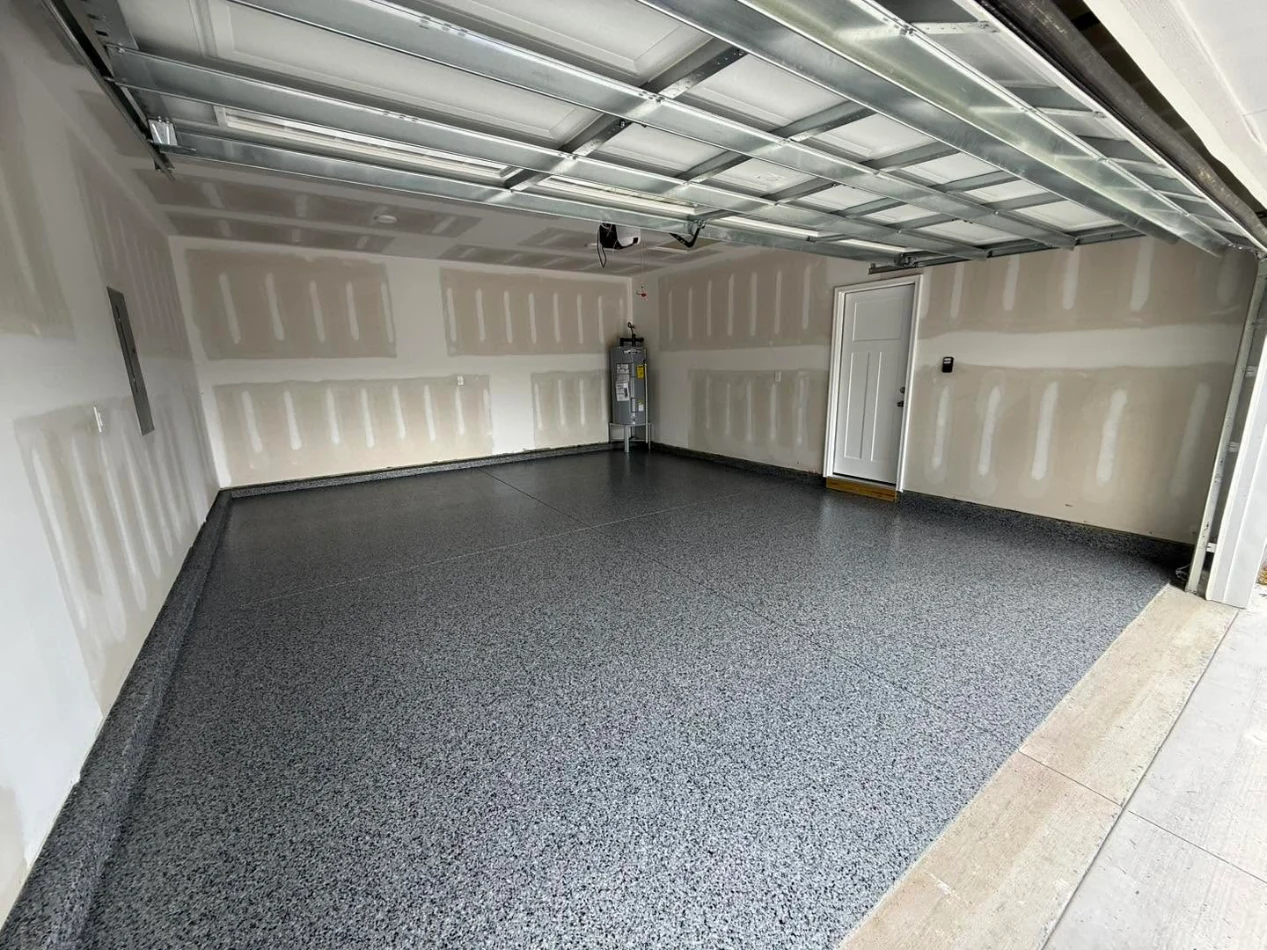
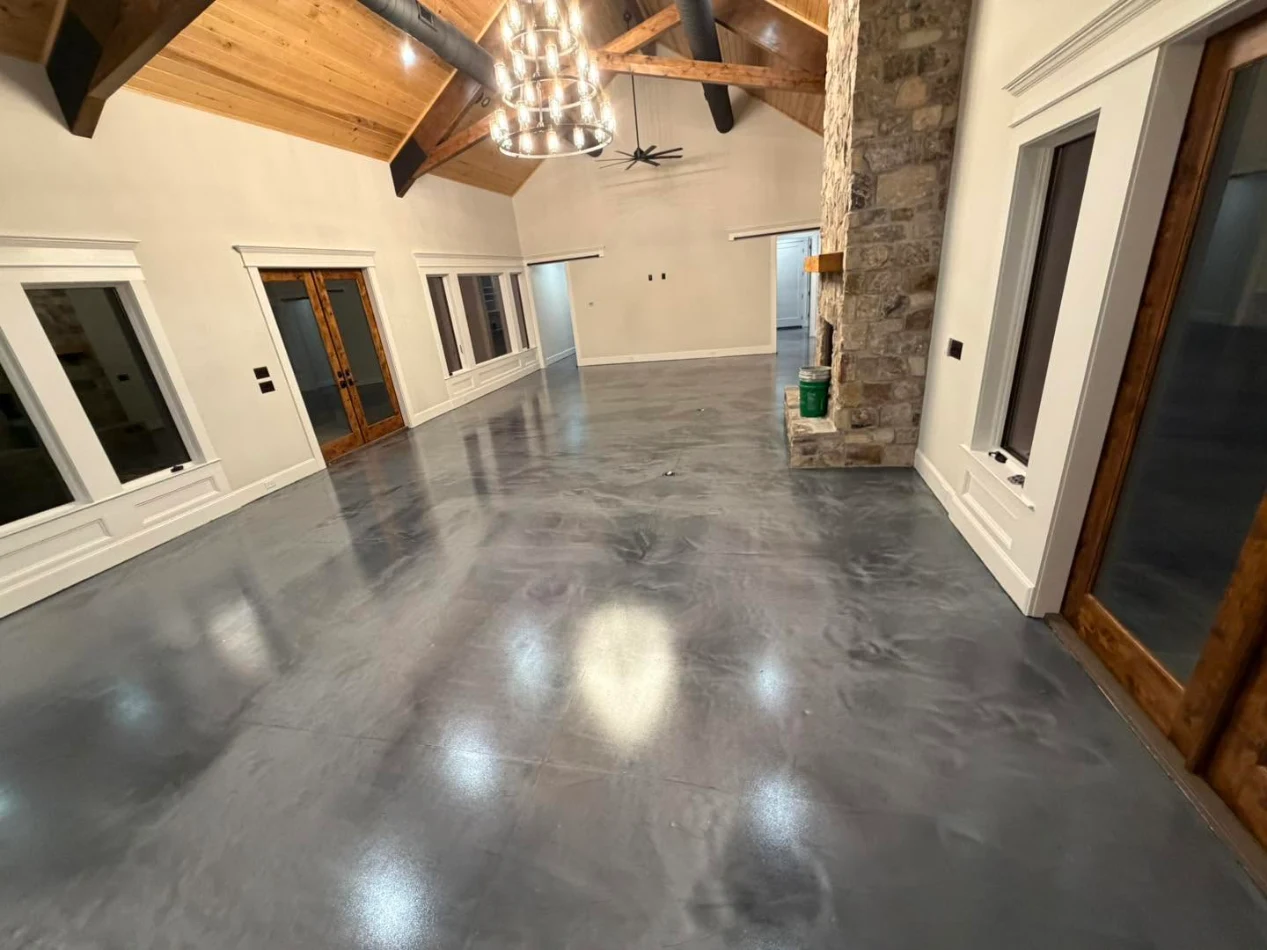
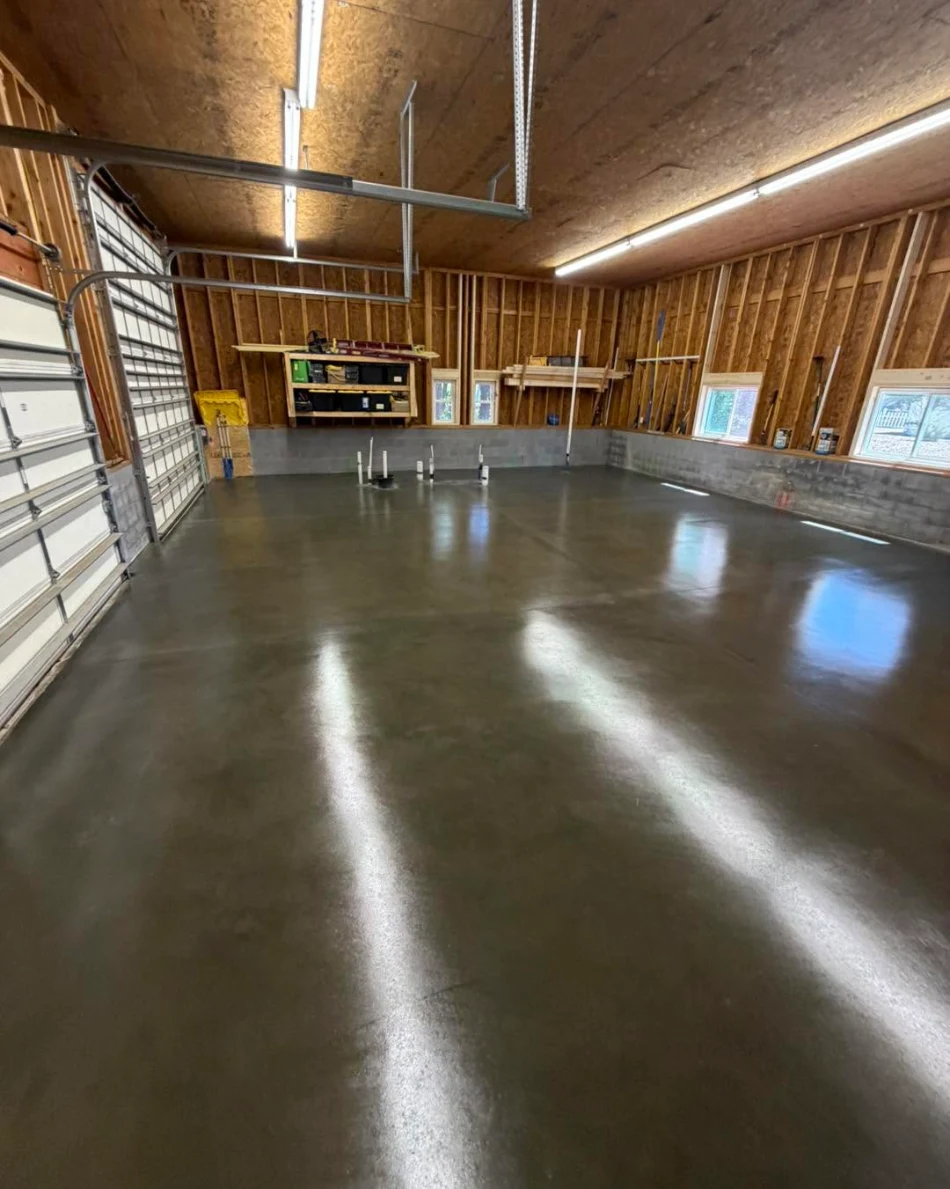

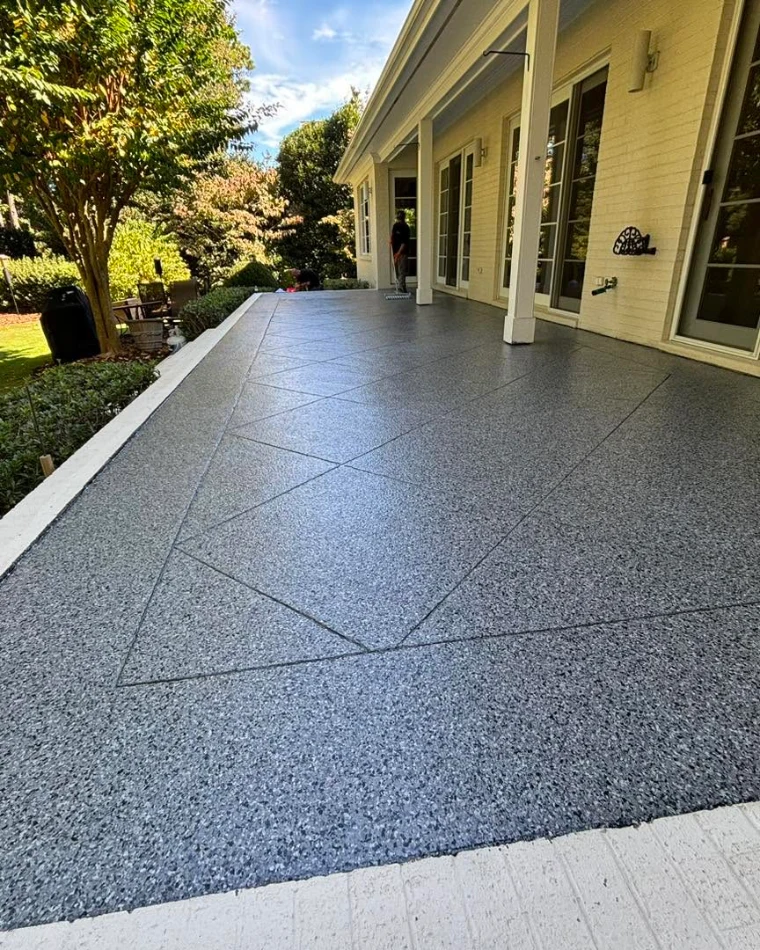
how it works
get in touch
Reach out by phone or fill out the online form. Tell us about your floor and location. The team responds fast and keeps it straightforward from the first conversation.
on-site inspection
We offer free on-site or online estimates. The crew assesses your concrete, identifies prep requirements, and recommends the right coating system. The price quoted is the price charged.
schedule install
Diamond grinding and proper surface preparation happen before any coating goes down. Installation is carried out with professional-grade materials, proven methods, and no shortcuts.
enjoy your floor
Your concrete is now Blazer!
The floor is inspected before the crew leaves. Coverage, adhesion, and appearance are all checked. Warranty documentation is provided.
RECENT BLOG
- Coastal Prep


Aug 20, 2026
- Flake Systems

Aug 10, 2026
- Coastal Prep

Aug 10, 2026
- Coastal Prep
Aug 20, 2026
- Flake Systems
Aug 10, 2026
- Coastal Prep
Aug 10, 2026
- Garage Floors

Aug 10, 2026